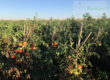

As global appetite for natural, flavorful ingredients persists, the dehydrated tomatoes industry—rooted in sun-drenched growing regions—is positioned for a year of stabilization in 2026. With discerning buyers prioritizing traceability and sustainable sourcing, processors are increasingly adopting practices that echo time-honored closed-loop systems and modern ecological design principles.
Key Growing Areas Consolidate
Established production zones, benefiting from abundant sunlight and significant diurnal temperature swings, continue to dominate supply. Late-summer harvests through early autumn will drive new-crop processing, with peak availability of dehydrated tomatoes in specifications like 12x12mm and 3x3mm from September onward—ideal timing for importers seeking vibrant color and concentrated flavor.
Pricing Set for Moderate Recovery
After sharp volatility—peaks in 2023, oversupply-driven lows in 2024, and partial rebound in 2025—FOB prices for standard dehydrated tomatoes are forecast to settle in the $2,900–$3,300 per ton range in 2026. Reduced planting following low-margin years, coupled with inventory digestion and steady demand from food manufacturers, supports firm pricing with limited downside risk.
Advancing Regenerative Practices
Drawing on centuries-old traditions of nutrient cycling and contemporary design strategies—multifunctional planting, enhanced biodiversity, and minimal external inputs—producers are integrating waste-to-resource loops and biological soil enhancements. These shifts align with premium buyer demands for resilience and reduced chemical reliance, fostering long-term viability.
In 2026, the sector promises reliable, high-quality supply bolstered by evolving sustainability. For fresh insights on 2026 planting and development, we welcome your perspectives—please reach out to info@newlanddehy.com.