
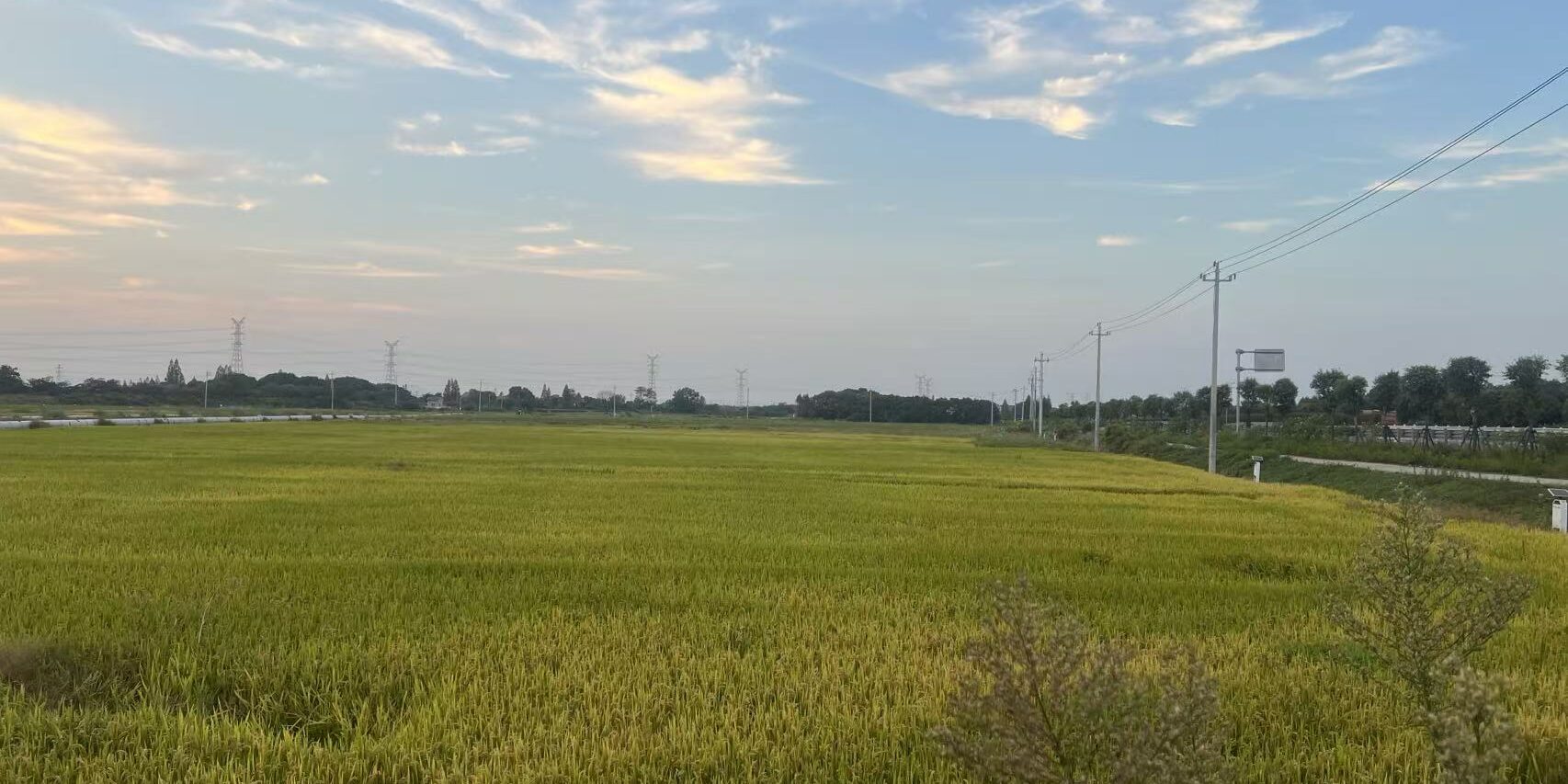
In 1962, Rachel Carson reminded a rapidly industrializing world of a truth so simple it was easily forgotten: “In nature nothing exists alone.” Whether we are examining the human gut or an agricultural watershed, health depends on balance, diversity, and restraint. Carson warned us against the arrogance of trying to “control nature” through blunt chemical force, showing how persistent synthetic compounds accumulate silently through soil, water, and food chains until they reach our own cells.
Sixty-four years later, on June 5, 2026, leaders, growers, and food innovators gathered for World Environment Day under the theme “Inspired by Nature. For Climate. For Our Future.” Looking closely at the discussions around climate-resilient agriculture and circular plastics reduction, one core takeaway emerges for everyone involved in growing, processing, or procuring food: agricultural production is shifting away from chasing single-crop yield alone toward balancing soil-and-water resilience with carbon sequestration.
For buyers in the dehydrated ingredient and cold-chain sectors, this shift is far more than an environmental ideal. It is rapidly becoming the foundation of reliable sourcing, Food Traceability, and Modern Preventive Medicine. At World Environment Day 2026, three practical pillars crystallized this new standard—values that are already quietly embedded in the daily work at Newland Ingredients.
1. Precision Water and Soil Management as a Hard Benchmark
With intensifying droughts and soil salinization threatening global harvests, water-use efficiency and soil vitality have become measurable benchmarks rather than optional virtues. Through precision drip irrigation, drought-resilient crop varieties, and careful nutrient stewardship, growers can protect yields without exhausting aquifers or leaving behind synthetic chemical burdens. For food buyers, healthier soils directly translate into safer raw materials that consistently meet strict Pesticide Residue Limits (MRLs), avoid Heavy Metals in Foods, and satisfy rigorous Clean Label Standards.
2. The Mainstreaming of Regenerative Agriculture
Carson championed working with biological rhythms instead of waging chemical warfare against the land. Today, that philosophy has matured into regenerative agriculture. By embracing minimal tillage, cover cropping, organic matter restoration, and thoughtful crop rotation, farmland transforms from a depleted resource into a living carbon sink. Rich microbial communities beneath the soil surface—much like a thriving Microbiome Balance in human Gut Health—strengthen a plant’s natural immunity against heat stress and pests. When farms nurture this living ecosystem, the resulting vegetables, fruits, and botanicals carry superior nutrient density and genuine Sustainability from the ground up.
3. Loss Reduction as Direct Carbon Reduction
Perhaps the most immediate bridge between field ecology and commercial supply chains lies in preventing post-harvest loss. Roughly one-third of global food spoils before it ever reaches a kitchen. Every crate of fresh produce lost in transit represents wasted water, wasted fertilizer, and unnecessary greenhouse gas emissions. Transforming fresh harvests at the origin through gentle, precision dehydration locks in flavor, color, and bioactive nutrition while dramatically extending Dehydrated Food Shelf-Life Stability. Compared with energy-intensive long-haul cold storage, stable dehydrated ingredients cut refrigeration emissions, simplify FSMA 204 Compliance, and reduce reliance on complex, multi-layer packaging that contributes to Microplastics and PFAS Testing concerns.
At Newland Ingredients, these three commitments are woven into everyday operations rather than saved for annual reports. By partnering directly with origin farms on soil stewardship, strict residue screening, and low-waste dehydration processing, Newland helps cold-chain and ingredient buyers secure dependable, clean-label raw materials while measurably lowering Scope 3 carbon footprints.
“Humanity is a part of nature, and any war against nature is inevitably a war against ourselves.” The encouraging lesson of World Environment Day 2026 is that the reverse is equally true: when we care for the soil, conserve water, and preserve harvests with respect, we protect both planetary resilience and human well-being at the very same time.